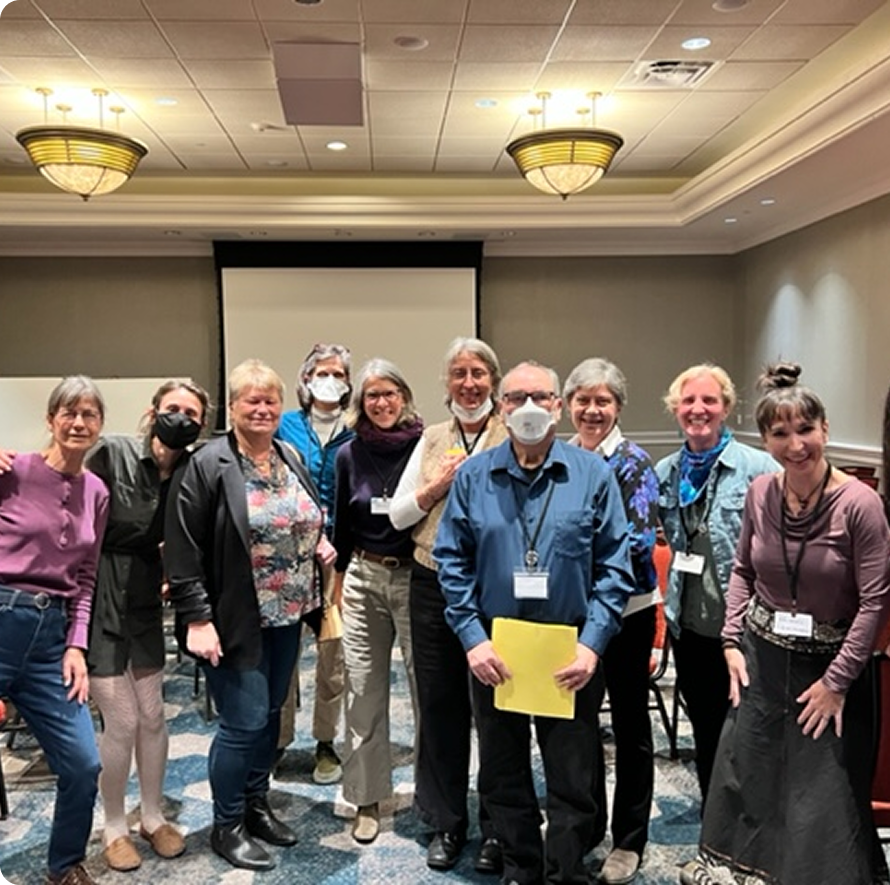
Clinical Herbalist Training Programs
Lorem ipsum dolor sit amet consectetur. Elementum a eget odio fames habitasse etiam aliquam feugiat fringilla. Ullamcorper ut leo praesent sit vitae velit id. Ornare enim mattis aliquet ultrices. Diam in integer
David’s Herbal World
In our program we strive to teach the skills necessary so that each student can accomplish that goal. We focus on differential diagnosis skills, materia medica and therapeutics which are essential to individualize treatment and help patients to not only resolve symptoms, but create constitutional change needed for physical, emotional and spiritual wellness.

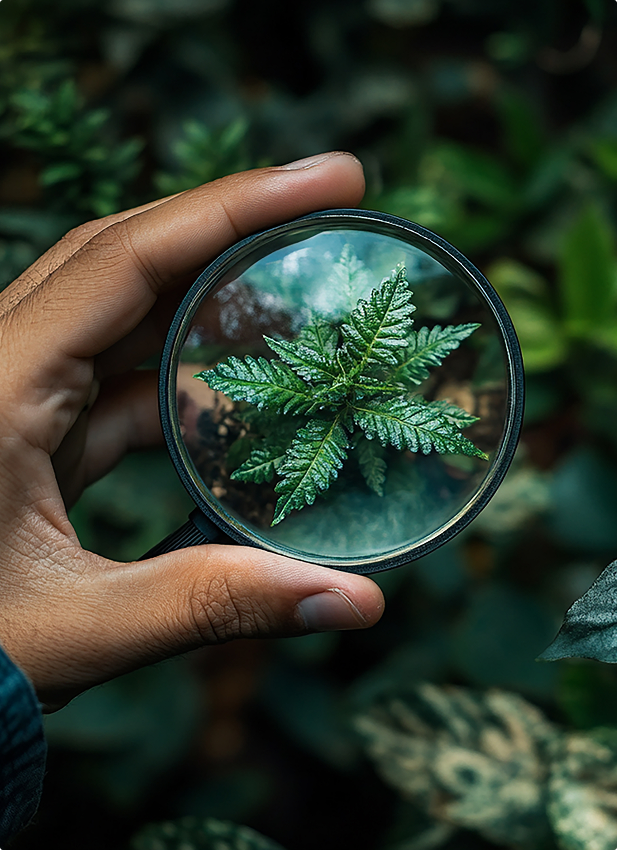
Our Philosophy
Great herbalists treat people, not diseases. In our program we strive to teach the skills necessary so that each student can accomplish that goal...
Our ProgramsTestimonials
It is a long established fact that a reader will be distracted by the readable content...
View More Testimonials

It is a long established fact that a reader will be distracted by the readable content...
Donald J. Anderio
It is a long established fact that a reader will be distracted by the readable content...
Donald J. Anderio
It is a long established fact that a reader will be distracted by the readable content...
Donald J. Anderio
It is a long established fact that a reader will be distracted by the readable content...
Donald J. AnderioOur Faculty
Lorem ipsum dolor sit amet consectetur. Purus donec arcu scelerisque sem eu ut adipiscing.
Pellentesque id pellentesque laoreet dignissim et amet dictum fermentum.

John Charcol is the original independent mortgage broker in the UK...

John Charcol is the original independent mortgage broker in the UK...

John Charcol is the original independent mortgage broker in the UK...

John Charcol is the original independent mortgage broker in the UK...
John Charcol is the original independent mortgage broker in the UK...
Herbal Marketplace
Lorem ipsum dolor sit amet consectetur. Purus donec arcu scelerisque sem eu ut adipiscing. Pellentesque id pellentesque laoreet dignissim et amet dictum fermentum.

Contact Us
We’d love to hear from you! Whether you have questions about our courses, workshops, herbal consultations, or simply want to connect — feel free to reach out
Herbal Therapeutics Research Library
The erosion of predictability: Climate change and the botanical supply chain
From changes to the times when plants are flowering, fruiting, and harvested, to disruptions to nature’s synchronization between plants and their insect pollinators, climate change is exerting significant pressure on the botanical supply chain, and companies have to respond.
American Extra Pharmacopoeia
In China, the traditional Pharmacopoeia of plant, mineral and animal drugs is vast, containing over a thousand remedies; the same is true of India’s Ayurvedic system of medicine. Other ancient and equally successful indigenous systems such as the Ani Yvwiya (Cherokee) Nvwoti, Japan’s Kanpo, the Tibetan gSo-wa Rig-pa and the Unani Tibb system also utilize a large number of botanical drugs...
An Introduction to Herbal Medicine
Certain herbs have become popular over the last twenty years, but herbal medicine is still poorly understood by the public, medical practitioners and the media. After a brief honeymoon where herbs have been portrayed as "wonder drugs", we are now seeing article after article on the dangers of herbs...
View MoreThe erosion of predictability: Climate change and the botanical supply chain
From changes to the times when plants are flowering, fruiting, and harvested, to disruptions to nature’s synchronization between plants and their insect pollinators, climate change is exerting significant pressure on the botanical supply chain, and companies have to respond.
American Extra Pharmacopoeia
In China, the traditional Pharmacopoeia of plant, mineral and animal drugs is vast, containing over a thousand remedies; the same is true of India’s Ayurvedic system of medicine. Other ancient and equally successful indigenous systems such as the Ani Yvwiya (Cherokee) Nvwoti, Japan’s Kanpo, the Tibetan gSo-wa Rig-pa and the Unani Tibb system also utilize a large number of botanical drugs...
An Introduction to Herbal Medicine
Certain herbs have become popular over the last twenty years, but herbal medicine is still poorly understood by the public, medical practitioners and the media. After a brief honeymoon where herbs have been portrayed as "wonder drugs", we are now seeing article after article on the dangers of herbs...
View MoreThe erosion of predictability:a Climate change and the botanical supply chain
From changes to the times when plants are flowering, fruiting, and harvested, to disruptions to nature’s synchronization between plants and their insect pollinators, climate change is exerting significant pressure on the botanical supply chain, and companies have to respond.
American Extra Pharmacopoeia
In China, the traditional Pharmacopoeia of plant, mineral and animal drugs is vast, containing over a thousand remedies; the same is true of India’s Ayurvedic system of medicine. Other ancient and equally successful indigenous systems such as the Ani Yvwiya (Cherokee) Nvwoti, Japan’s Kanpo, the Tibetan gSo-wa Rig-pa and the Unani Tibb system also utilize a large number of botanical drugs...
An Introduction to Herbal Medicine
Certain herbs have become popular over the last twenty years, but herbal medicine is still poorly understood by the public, medical practitioners and the media. After a brief honeymoon where herbs have been portrayed as "wonder drugs", we are now seeing article after article on the dangers of herbs...
View MoreThe erosion of predictability: Climate change and the botanical supply chain
From changes to the times when plants are flowering, fruiting, and harvested, to disruptions to nature’s synchronization between plants and their insect pollinators, climate change is exerting significant pressure on the botanical supply chain, and companies have to respond.
American Extra Pharmacopoeia
In China, the traditional Pharmacopoeia of plant, mineral and animal drugs is vast, containing over a thousand remedies; the same is true of India’s Ayurvedic system of medicine. Other ancient and equally successful indigenous systems such as the Ani Yvwiya (Cherokee) Nvwoti, Japan’s Kanpo, the Tibetan gSo-wa Rig-pa and the Unani Tibb system also utilize a large number of botanical drugs...
An Introduction to Herbal Medicine
Certain herbs have become popular over the last twenty years, but herbal medicine is still poorly understood by the public, medical practitioners and the media. After a brief honeymoon where herbs have been portrayed as "wonder drugs", we are now seeing article after article on the dangers of herbs...
View MoreThe erosion of predictability: Climate change and the botanical supply chain
From changes to the times when plants are flowering, fruiting, and harvested, to disruptions to nature’s synchronization between plants and their insect pollinators, climate change is exerting significant pressure on the botanical supply chain, and companies have to respond.
American Extra Pharmacopoeia
In China, the traditional Pharmacopoeia of plant, mineral and animal drugs is vast, containing over a thousand remedies; the same is true of India’s Ayurvedic system of medicine. Other ancient and equally successful indigenous systems such as the Ani Yvwiya (Cherokee) Nvwoti, Japan’s Kanpo, the Tibetan gSo-wa Rig-pa and the Unani Tibb system also utilize a large number of botanical drugs...
An Introduction to Herbal Medicine
Certain herbs have become popular over the last twenty years, but herbal medicine is still poorly understood by the public, medical practitioners and the media. After a brief honeymoon where herbs have been portrayed as "wonder drugs", we are now seeing article after article on the dangers of herbs...
View MoreThe erosion of predictability: Climate change and the botanical supply chain
From changes to the times when plants are flowering, fruiting, and harvested, to disruptions to nature’s synchronization between plants and their insect pollinators, climate change is exerting significant pressure on the botanical supply chain, and companies have to respond.
American Extra Pharmacopoeia
In China, the traditional Pharmacopoeia of plant, mineral and animal drugs is vast, containing over a thousand remedies; the same is true of India’s Ayurvedic system of medicine. Other ancient and equally successful indigenous systems such as the Ani Yvwiya (Cherokee) Nvwoti, Japan’s Kanpo, the Tibetan gSo-wa Rig-pa and the Unani Tibb system also utilize a large number of botanical drugs...
An Introduction to Herbal Medicine
Certain herbs have become popular over the last twenty years, but herbal medicine is still poorly understood by the public, medical practitioners and the media. After a brief honeymoon where herbs have been portrayed as "wonder drugs", we are now seeing article after article on the dangers of herbs...
View More
Quick Links
Newsletter
Join our mailing list and stay up to date with the latest herbal goodness and David Winston's Center for Herbal Studies of Herbal Medicine news!
Contact
Lorem ipsum dolor sit amet consectetur. Vulputate consectetur integer ut platea
© 2025 David Winston's Center for Herbal Studies All rights reserved by Web Tech Crafts LLC